
8 Tips for Selecting the Perfect Upholstery Fabric for Your Home
To choose the right upholstery fabric for your home, match the fabric to the furniture, the room and the way it will be used. Check durability, composition, colour, pattern scale, texture, cleaning needs and whether you need stain-resistant or fire-retardant treatment. Then order samples before buying fabric by the metre.
This quick checklist is designed for buyers who already know they need upholstery fabric and want to make a confident decision. If you are completely new to the topic, start with our beginner’s guide to upholstery fabric first.
Upholstery fabric buying checklist
| Decision | What to check |
|---|---|
| Furniture type | Sofa, armchair, dining chair, footstool and headboard projects all need different amounts and durability. |
| Use level | Everyday family seating needs a more robust fabric than a decorative bedroom chair. |
| Durability | Check rub count, basecloth and whether the fabric is suitable for upholstery. |
| Colour | Think about light, existing room tones, marks, fading and how bold you want the furniture to feel. |
| Pattern scale | Large designs need enough surface area and extra fabric for placement or matching. |
| Samples | Always check colour, texture and scale in your own room before ordering metres. |
1. Start with the furniture, not the fabric
It is tempting to choose the fabric you love first, but the furniture should lead the decision. A dining chair, armchair, 3-seater sofa, footstool and headboard all place different demands on fabric. The more often the piece is used, the more important durability, texture and maintenance become.
If you are still working out quantities, use our guide to measuring furniture for upholstery fabric.
2. Match durability to everyday use
For busy seating, durability matters. One of the most useful measures is the Martindale rub test, which shows how well a fabric resists abrasion. Saint & Poet upholstery fabrics are tested to 35,000+ rubs, making them suitable for demanding residential interiors and many commercial upholstery projects.
For a full explanation, read our Martindale rub test guide.
3. Choose colour for the room and the lifestyle
Colour changes how furniture feels in a room. Blues and greens can feel calm and grounded, orange and red tones bring warmth and energy, while neutrals create a quieter base. If the furniture will be used every day, very pale plain fabrics may show marks more easily than darker, textured or patterned options.
Explore colour-led collections such as blue upholstery fabric, green upholstery fabric, orange upholstery fabric and neutral upholstery fabric.
4. Think carefully about pattern scale
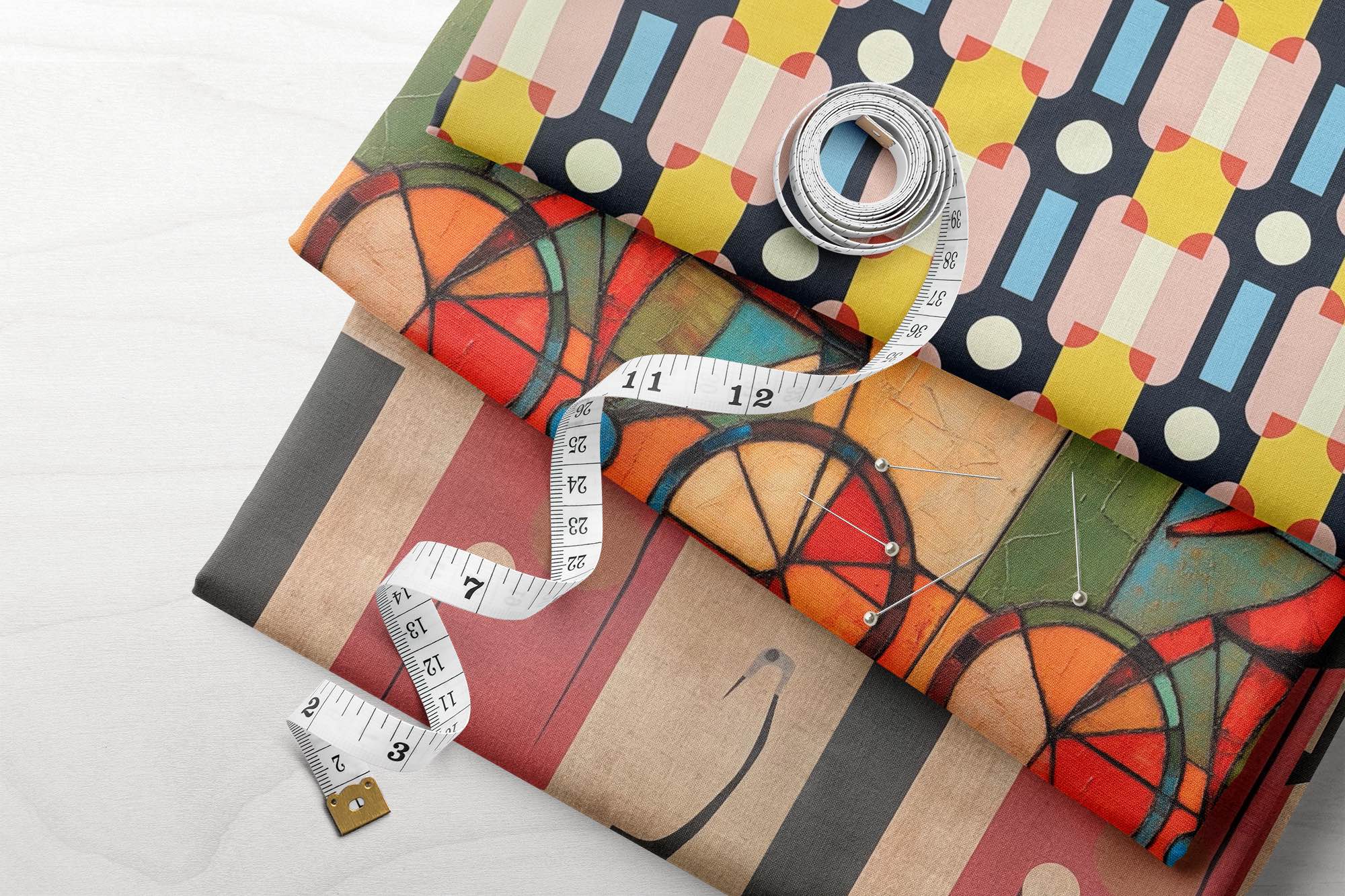
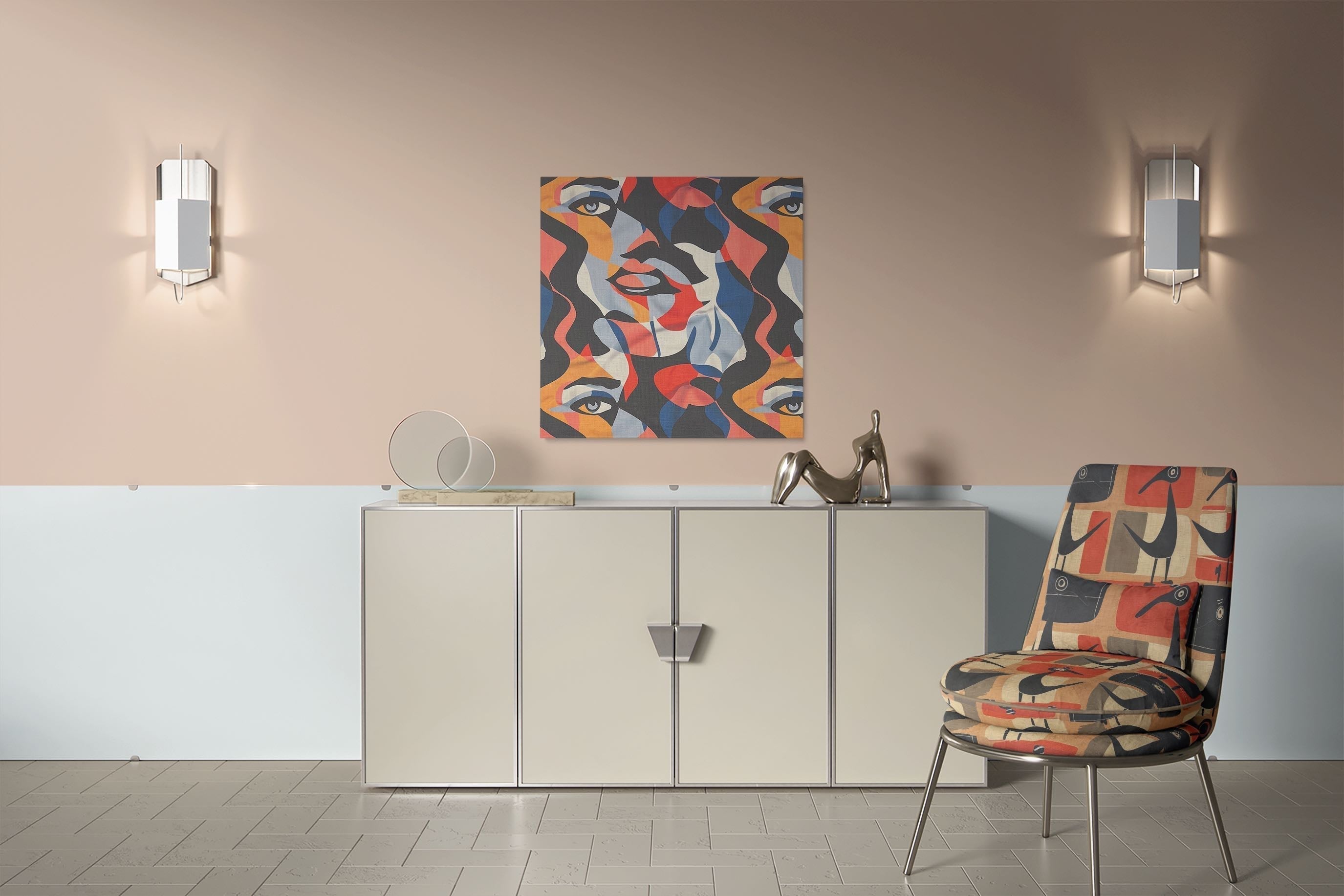
Pattern scale matters because fabric looks different as a small swatch, a chair seat, a headboard or a full sofa. Large-scale patterns can be stunning on statement furniture, but they need enough surface area to breathe. Smaller or more rhythmic designs may be easier to use on dining chairs, cushions and compact pieces.
If you want the furniture to become the focal point, browse abstract upholstery fabrics, floral upholstery fabrics or bird upholstery fabrics.
5. Check composition and texture
Fabric composition affects handle, texture, strength and care. Linen blends, cotton blends, velvets, textured weaves and synthetic fibres all behave differently. Texture also changes the mood of a room: velvet upholstery fabric can feel rich and soft, linen blends can feel natural and relaxed, and plain weaves can feel quieter and more architectural.
For a deeper explanation, read our fabric composition guide.
6. Consider cleaning and fabric treatments
Think about maintenance before you buy. Dining chairs, family sofas and commercial seating may benefit from stain-resistant treatment. Hospitality and contract interiors may require fire-retardant treatment, including Crib5 depending on the setting.
Learn more about fabric treatment options or read our Crib5 upholstery fabric guide.
7. Order samples before buying metres
Samples are essential. They let you check colour in natural and artificial light, feel the texture, compare options against paint, flooring and other fabrics, and see whether the pattern scale suits the furniture. A fabric that looks perfect online can feel different in the actual room.
Use samples to shortlist confidently before ordering fabric by the metre from our luxury designer upholstery fabric collection.
8. Balance beauty with practicality
The best upholstery fabric is the one that satisfies both sides of the decision: it should make the furniture feel special, but it should also suit how the piece will be used. A dramatic printed fabric may be ideal for an accent chair, while a calmer textured fabric may be better for a sofa that anchors a busy living room.
For proven options, browse best-selling upholstery fabrics, or explore the full upholstery fabric collection.
Upholstery fabric selection FAQs
What should I check before buying upholstery fabric?
Check the furniture type, durability, composition, pattern scale, care needs, colour, texture and whether treatment is required. Always order a sample first.
What colour upholstery fabric is most practical?
Darker, textured or patterned fabrics often disguise everyday marks better than very pale plain fabrics. The best colour still depends on the room, light and overall scheme.
Is patterned upholstery fabric hard to use?
Not necessarily. Patterned fabric can be very effective, especially on accent chairs and headboards. Larger repeats need more planning and may require extra fabric for placement.
How do I know if fabric is durable enough?
Look for upholstery suitability, rub count and composition. For everyday seating, a strong Martindale score gives more confidence.
Should I ask my upholsterer before ordering?
Yes. For larger or more complex projects, ask your upholsterer to confirm fabric quantity, suitability and any pattern placement requirements before ordering metres.