
The Rise of Warm Maximalism: Interiors Full of Colour, Texture and Personality
For years, interiors were dominated by restraint. Neutral palettes, minimalist styling, and pared-back spaces became the defining look of modern homes. Grey walls, clean lines, and simplified décor created calm environments, but over time, many interiors began to feel overly safe — even emotionally disconnected.
Now, a new design movement is reshaping the way we think about our homes. One built not around perfection or minimal restraint, but around atmosphere, individuality, and emotional warmth.
Welcome to the rise of warm maximalism.
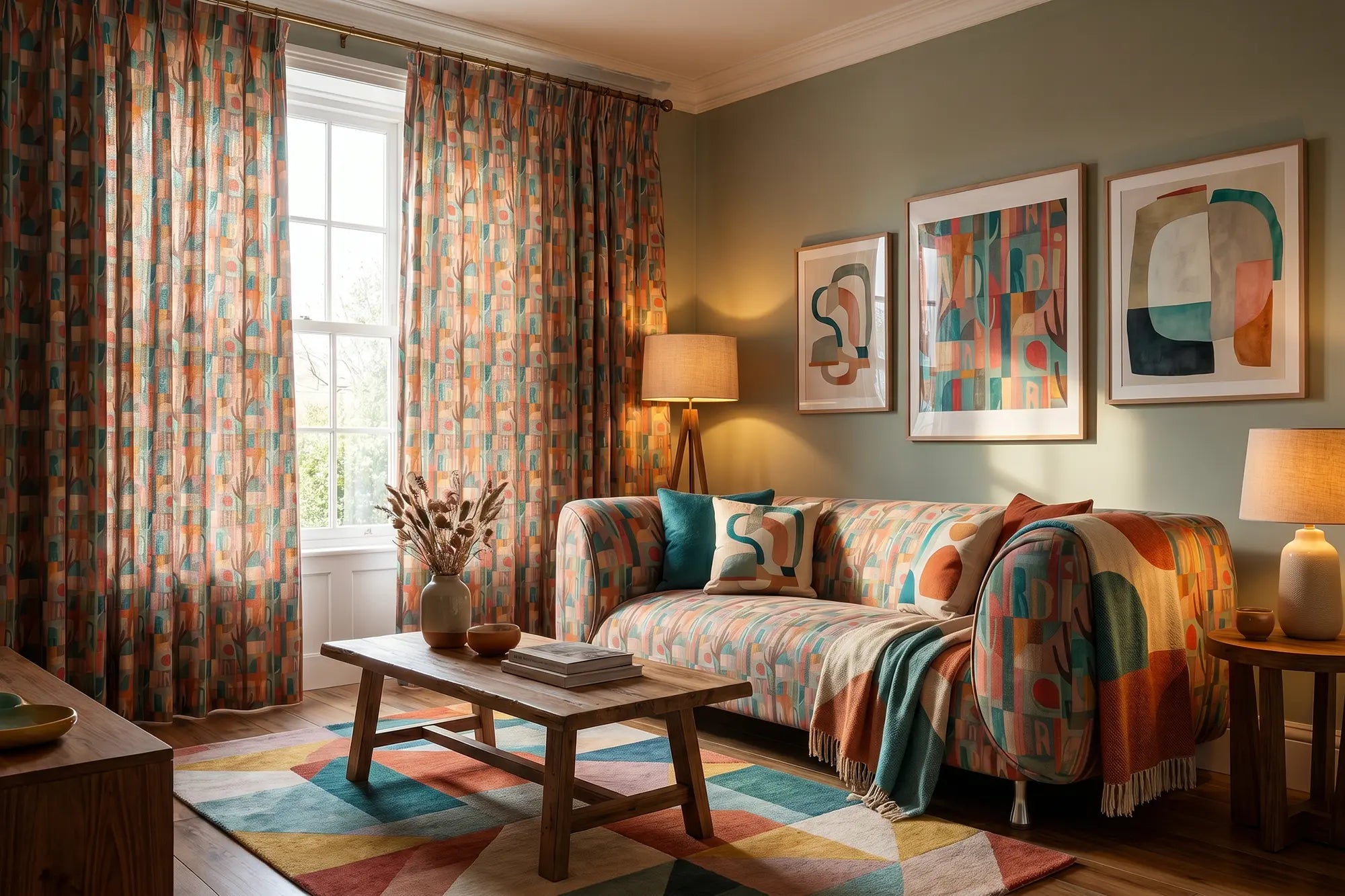
Unlike the loud, chaotic maximalism of previous decades, warm maximalism is softer, more curated, and deeply personal. It embraces layered colour palettes, tactile textures, expressive patterns, and artistic interiors that feel lived-in rather than staged. At its heart is the idea that homes should feel inspiring, comforting, and reflective of the people who live within them.
Fabric plays a central role in this movement. Upholstery, curtains, cushions, and layered textiles are becoming the tools designers use to create warmth and personality within a space. Through colour, texture, and expressive pattern, fabrics shape the emotional tone of a room in ways hard surfaces simply cannot.
At Saint and Poet, we’ve always believed interiors should feel immersive and emotionally rich rather than purely functional. Our growing collection of multicoloured upholstery fabrics reflects this movement toward expressive design — combining artistic pattern, layered colour, and tactile texture to create interiors full of atmosphere and individuality.
The Shift Away from Cold Minimalism
Minimalism once represented sophistication. Bright white walls, monochrome palettes, and highly simplified interiors dominated design magazines and social media for years. But as people began spending more time at home, priorities shifted.
Homes were no longer expected to look like showrooms. They needed to feel warm, restorative, and emotionally engaging.
This has led to the rise of interiors filled with:
* earthy colours
* layered textiles
* statement upholstery
* expressive patterns
* tactile materials
* personality-driven styling
Warm maximalism reflects this perfectly. It still values balance and cohesion, but it rejects the idea that interiors should feel muted or emotionally neutral. Instead, it encourages spaces that feel collected, artistic, and alive.
What Exactly Is Warm Maximalism?
Warm maximalism is often misunderstood. It isn’t about clutter, excess, or randomly combining bold colours together. In reality, the style is incredibly thoughtful.
It focuses on:
* warmth over stark contrast
* layered texture rather than visual chaos
* curated colour palettes
* artistic expression
* personality and storytelling
The result is an interior that feels immersive and welcoming rather than overwhelming.
Warm maximalist spaces often combine:
* earthy terracottas
* ochres and clay tones
* olive greens
* teal accents
* layered neutrals
* rich tactile materials like linen and velvet
One of the reasons this movement feels so relevant today is because it prioritises emotion. These interiors are designed to make people feel comfortable, inspired, and connected to their surroundings.
In many ways, warm maximalism is less about “more” and more about creating atmosphere.
Why Colour Is Returning to Modern Interiors

Colour has become one of the defining features of modern interior design once again. After years of cool neutrals dominating homes, warmer palettes are now taking centre stage.
Terracotta, ochre, burnt orange, olive green, dusty pink, and deep teal are all appearing more frequently across luxury interiors. These colours feel grounding and expressive at the same time — bringing warmth and personality into spaces without feeling overpowering.
This is exactly why designs like the Kintsu Upholstery Fabric Collectionresonate so strongly with contemporary interiors. The layered earthy tones, painterly landscapes, and rich colour combinations create the kind of emotional warmth that defines modern maximalist design.
Rather than acting as background elements, fabrics are becoming focal points within a room — shaping mood and atmosphere through colour and pattern.
Texture Is What Gives Interiors Depth
One of the most important elements of warm maximalism is texture. Without texture, even colourful interiors can feel flat.
Linen upholstery softens colour and creates an organic, relaxed atmosphere. Velvet intensifies depth and richness through the way it interacts with light. Layered curtains add movement and softness to architecture, while woven textures help balance stronger patterns.
Texture is what transforms maximalism from feeling visually noisy into something tactile and luxurious.
This layered approach is becoming increasingly important in contemporary interiors. Smooth surfaces alone rarely create warmth. It’s the combination of matte linens, rich velvets, textured upholstery, and flowing curtains that gives modern spaces their emotional depth.
Our abstract curtain fabrics pair particularly beautifully with layered upholstery schemes, helping soften stronger patterns while maintaining the expressive atmosphere that warm maximalism embraces.
To build this softer layer into a scheme, browse our luxury curtain fabrics by the metre.

Pattern Has Become a Form of Personality
Pattern is no longer simply decorative — it has become a way for homeowners to express individuality within their interiors.

Abstract designs, scenic prints, expressive geometrics, and artistic compositions are all becoming increasingly popular because they create spaces that feel unique rather than formulaic.
This is especially evident in collections like the Fresco Upholstery Fabric Collection, where layered shapes and painterly colour palettes create movement and energy within a room. These kinds of fabrics feel artistic and immersive without becoming overly themed or predictable.
At the same time, maximalist interiors are also embracing richer storytelling through nature-inspired and scenic fabrics. The Animal Upholstery Fabric Collection captures this beautifully, combining lush tropical scenery, layered colour, and expressivedesign to create interiors full of personality and atmosphere.
This is where modern maximalism differs from older interpretations of the style. It isn’t simply about combining “more things.” It’s about surrounding yourself with interiors that feel emotionally engaging and visually alive.
How to Create a Warm Maximalist Interior
One of the reasons warm maximalism has become so popular is because it’s highly adaptable. A room doesn’t need to feel overwhelming to embrace the style successfully.
In fact, some of the most effective maximalist interiors begin with just one strong statement piece.
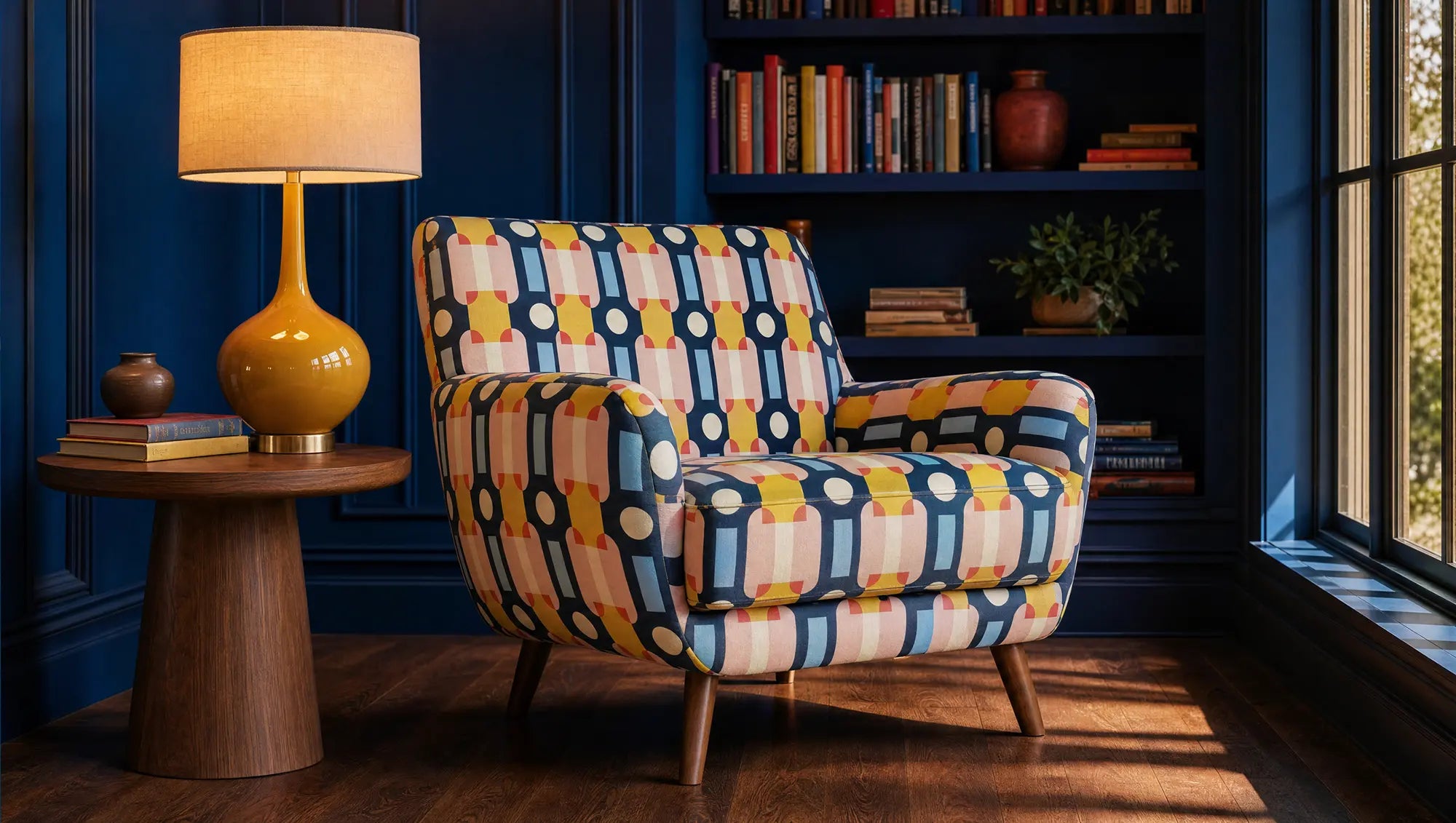
A bold upholstered sofa, expressive curtains, or a richly patterned armchair can instantly shift the atmosphere of a room. From there, layering becomes key.
Some simple ways to introduce warm maximalism include:
* combining textured linens with velvet accents
* repeating subtle colours throughout the room
* layering earthy tones with brighter highlights
* introducing abstract or scenic fabrics gradually
* balancing stronger patterns with natural woods and soft lighting
* using curtains to soften architectural spaces
The goal isn’t perfection — it’s personality. Warm maximalist interiors should feel collected, layered, and reflective of the people living within them.
The Future of Interior Design Feels More Human
As interiors continue evolving, one thing is becoming increasingly clear: people are moving away from spaces that feel cold or overly curated. Homes are becoming more emotional, expressive, and deeply personal again.
Warm maximalism represents this shift beautifully. Through layered colour, tactile texture, expressive fabrics, and artistic pattern, interiors are becoming places designed not just to look impressive — but to feel inspiring and comforting too.
At Saint and Poet, we believe this movement toward expressive interiors is only just beginning. As more homeowners embrace colour, texture, and individuality within their spaces, fabrics will continue playing a central role in shaping the atmosphere of modern interiors.
The most memorable homes are no longer the quietest ones.
They’re the spaces that make you feel something.