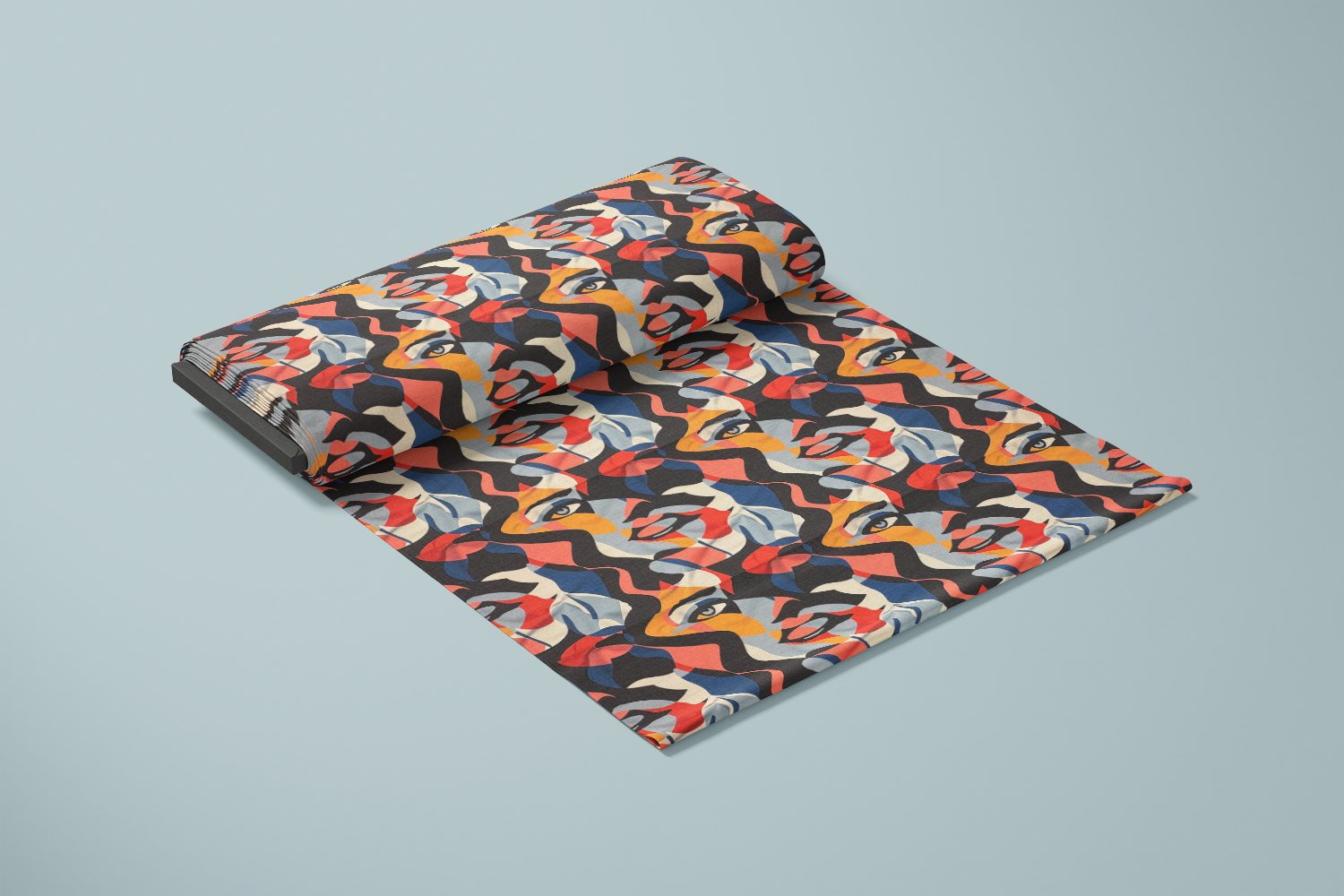

Fabric Grades Demystified: What They Mean for Upholstery Projects
Fabric grades are performance results that help show whether an upholstery fabric is suitable for the way it will be used. They can cover abrasion resistance, colour fastness, pilling resistance, tear strength and other technical qualities. For upholstery projects, these results help designers, upholsterers and homeowners compare fabrics beyond colour and pattern alone.
The most useful point is this: fabric grades do not replace touch, samples or project judgement, but they do give confidence that a fabric has been tested for real use. This guide explains the main fabric performance terms and how to read them when choosing upholstery fabric.
What are fabric grades?
Fabric grades are scores or classifications from standardised textile tests. These tests are designed to measure how fabric behaves under specific conditions, such as rubbing, light exposure, surface wear or tearing. The results help indicate whether a fabric is suitable for domestic upholstery, heavier residential use, commercial seating or decorative use only.
Not every test measures the same thing. A fabric can be very strong for abrasion but still need sensible care around sunlight, staining or cleaning. That is why grades should be read together rather than as a single pass-or-fail score.
Key upholstery fabric tests explained
| Test or grade | What it measures | Why it matters |
|---|---|---|
| Martindale rub test | Abrasion resistance from repeated rubbing. | Helps show whether fabric can cope with sitting, movement and everyday wear. |
| Colour fastness to rubbing | How much colour transfers when fabric is rubbed dry or wet. | Important for high-contact areas, cushions, arms and seating. |
| Colour fastness to light | How well fabric resists fading from light exposure. | Important for sunny rooms, window seats and furniture near glass. |
| Pilling resistance | How easily the surface forms small balls or fuzz with use. | Keeps upholstery looking cleaner and fresher over time. |
| Tear strength | The force needed to tear the fabric. | Important around seams, corners, stretched panels and heavily used furniture. |
| Fire testing or treatment | Whether fabric meets relevant fire safety requirements. | May be required for commercial, hospitality or contract projects. |
Saint & Poet fabric performance results
Saint & Poet upholstery fabrics are tested for performance so they can be used confidently in demanding residential interiors and many commercial upholstery projects. Current key results include:
| Performance area | Saint & Poet result | Plain-English meaning |
|---|---|---|
| Martindale rub test | 35,000+ rubs | Strong abrasion resistance for high-use domestic seating and many contract-style projects. |
| Colour fastness to rubbing, dry | BS EN ISO 105-X12:2016 - Grade B | Good colour stability during normal dry friction and everyday contact. |
| Colour fastness to light | BS EN ISO 105-B02:2014 - Grade B | Suitable for normal interiors, with sensible care around prolonged direct sunlight. |
| Pilling resistance | BS EN ISO 12945-2:2000 - Grade A | Strong resistance to surface pilling, helping the fabric keep a cleaner appearance. |
| Resistance to tearing | Grade A | Strong structural resilience around seams, edges and upholstered surfaces. |
What does 35,000+ Martindale rubs mean?
A Martindale score of 35,000+ rubs means the fabric has been tested for substantial abrasion resistance. In practical terms, this is a strong result for upholstery fabric and gives confidence for everyday chairs, sofas, dining seating and many commercial interiors.
Rub count is important, but it is not the only measure of quality. You should also consider composition, basecloth, texture, colour fastness, cleaning requirements and treatment needs. For more detail, read our Martindale rub test guide.
How should you use fabric grades when choosing upholstery?
Use fabric grades as a practical filter. If a fabric will be used on a busy sofa, dining chair, hotel bedroom chair or commercial banquette, technical performance matters more than it would for a purely decorative cushion or occasional chair.
- For family sofas: prioritise rub count, pilling resistance and easy-care options.
- For dining chairs: consider rub count, stain treatment and forgiving colour or pattern.
- For sunny rooms: pay attention to colour fastness to light and avoid unnecessary prolonged direct sunlight.
- For commercial interiors: check durability, fire requirements and whether Crib5 or other treatment is needed.
- For statement furniture: balance performance with pattern scale, print clarity and the overall room scheme.
Do higher grades always mean a better fabric?
Not always. A higher technical result can be useful, but the best fabric is the one that suits the project. A heavy-duty contract fabric may be unnecessary for a decorative bedroom chair, while a beautiful lightweight fabric may not be appropriate for a heavily used sofa.
The goal is to match performance to use. For a broader quality checklist, read what makes a good upholstery fabric.
Fabric grades, treatments and fire safety
Fabric grades do not automatically mean a fabric meets every fire or contract requirement. Commercial, hospitality and public interiors may need specific fire-retardant treatments or documentation. Saint & Poet fabrics can be treated for fire retardancy and stain resistance where required.
For project-specific guidance, see our fabric treatment options and our Crib5 upholstery fabric guide.
Where to browse tested upholstery fabrics
To compare designs, browse our luxury designer upholstery fabric by the metre. For strong visual options, explore abstract upholstery fabric, Exhibite upholstery fabric, blue upholstery fabric or best-selling upholstery fabrics.
Fabric grades FAQs
What fabric grade is best for upholstery?
There is no single best grade for every project. For everyday seating, look for strong abrasion resistance, good pilling resistance and suitable colour fastness, then match the fabric to the room and furniture.
Is 35,000 Martindale rubs good?
Yes. 35,000+ Martindale rubs is a strong upholstery durability result and is suitable for demanding residential interiors and many commercial-style projects.
What does colour fastness mean?
Colour fastness describes how well a fabric resists colour change or colour transfer when exposed to rubbing, light or other conditions.
What does pilling resistance mean?
Pilling resistance measures how well a fabric resists forming small surface balls or fuzz through use. Strong pilling resistance helps upholstery keep a neater appearance.
Do fabric grades replace ordering samples?
No. Grades help you judge performance, but samples are still essential for checking colour, texture, handle and pattern scale in your own space.